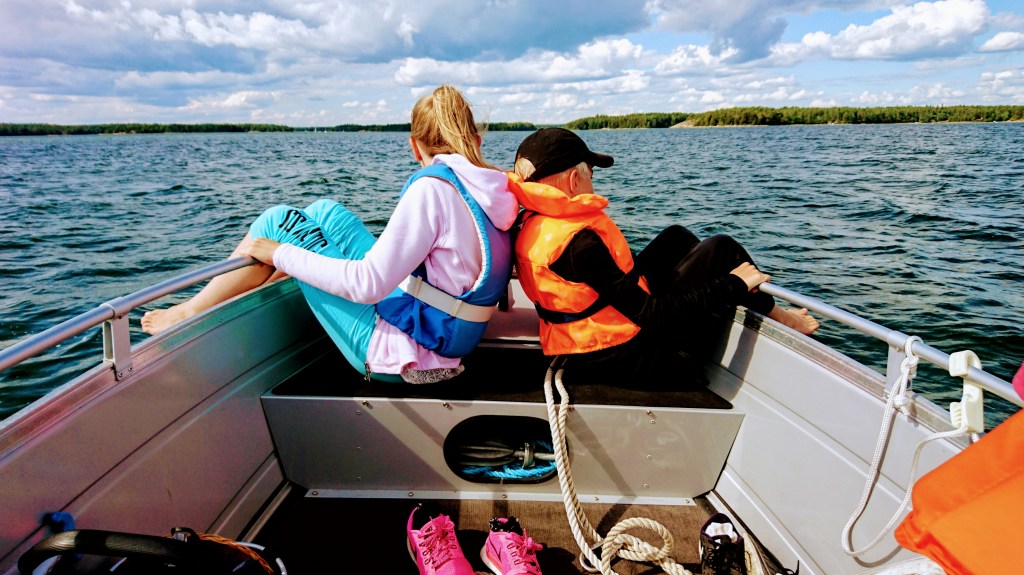
Living in Northern Europe definitely has its pros and cons when it comes to weather. In short, and the way I feel about it, half a year the weather is quite ok, and the other half not really. How does this affect our everyday life and our mental state? The local weather sets the stage for our lives, whether we like it or not. There are very few people who can claim to go totally unaffected by the climate, and on the other hand most people would like to choose their home to be in a nice climate. In one way I enjoy the constantly changing weather and all the seasons, but every spring I find myself thinking that this must be the last time I had to survive the miserable local fall and early winter.
As my home is less than a 1000 kilometers south of the Arctic Circle, there is a huge variation in the hours of daylight we get during different seasons. In the spring and summer it feels like there is light all the time, and if you stick to your normal daily routines, you don’t go outside during the few hours of darkness at night. It is very energizing, the days are long and everyone is busy until late at night. Further up north it seems like people even lose their sense of time, and carry on with their house renovations and other activities way past midnight, if they happen to feel like doing so. This is also a wonderful time for the kids to play outside and stay up late. The challenge naturally is how to get the smaller kids to bed at night, as they will wonder why they have to go to bed so early, it is not even dark yet. Happens every spring.
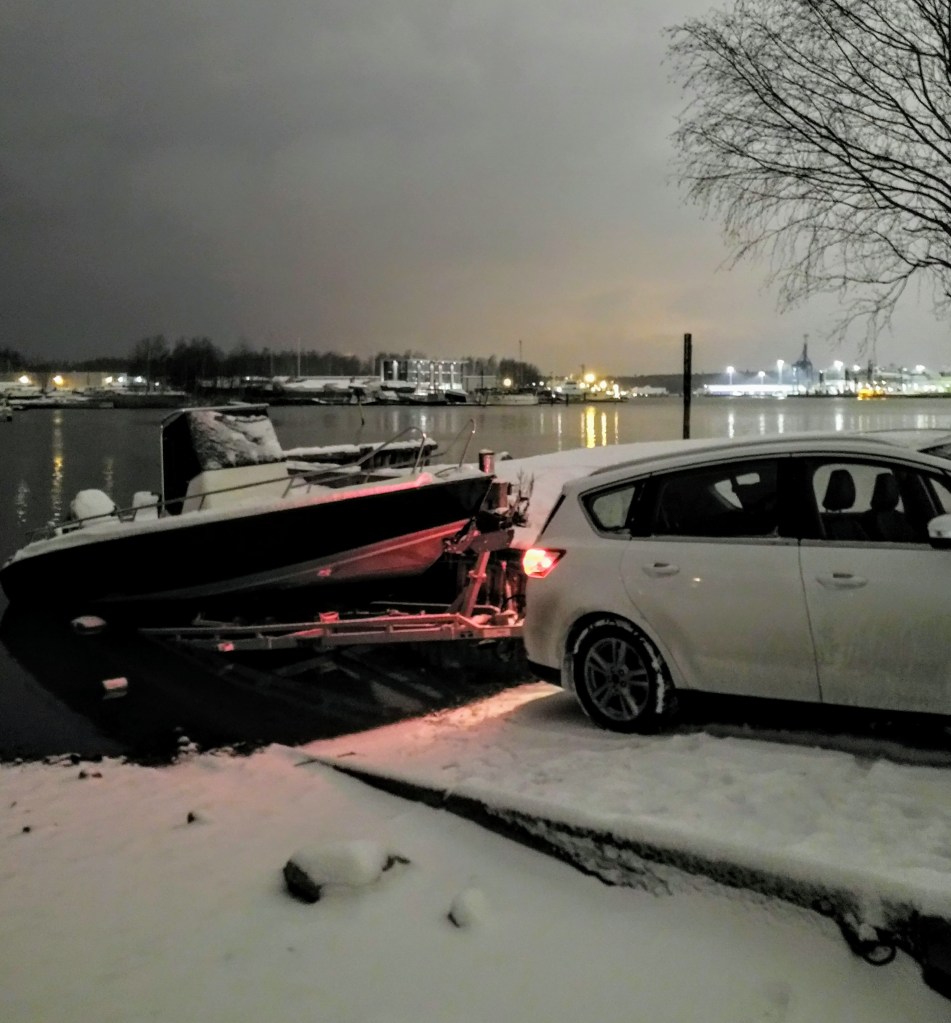
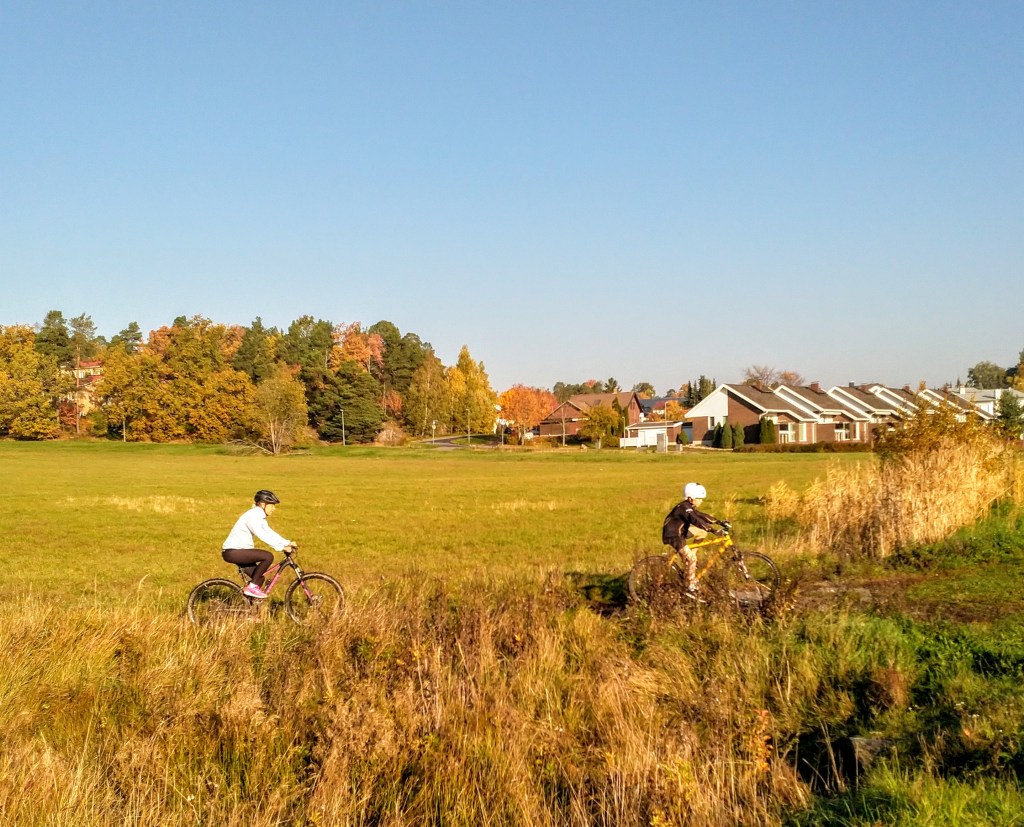
Later in the summer, maybe sometime in late July, you start noticing that the nights are getting darker. It is usually still warm, but the season is changing. This is normal for most of us living somewhere far from the Equator. What makes it significant up here is the strength and impact of the change. By October the days are getting really short, and in November it will be dark getting in and out of the office. Here by the sea the climate is also very humid, and the prevailing winds from the West bring in frequent rains. In short, from November to February it is dark and rainy. Most years it would start snowing at some point, in December at the latest, but this winter has been different. The temperature has remained above zero most of the time and there is no snow on the ground, which makes the scenery dull and grey instead of the normal mid-winter snowy bright. Climate change, global warming? Maybe, quite likely.
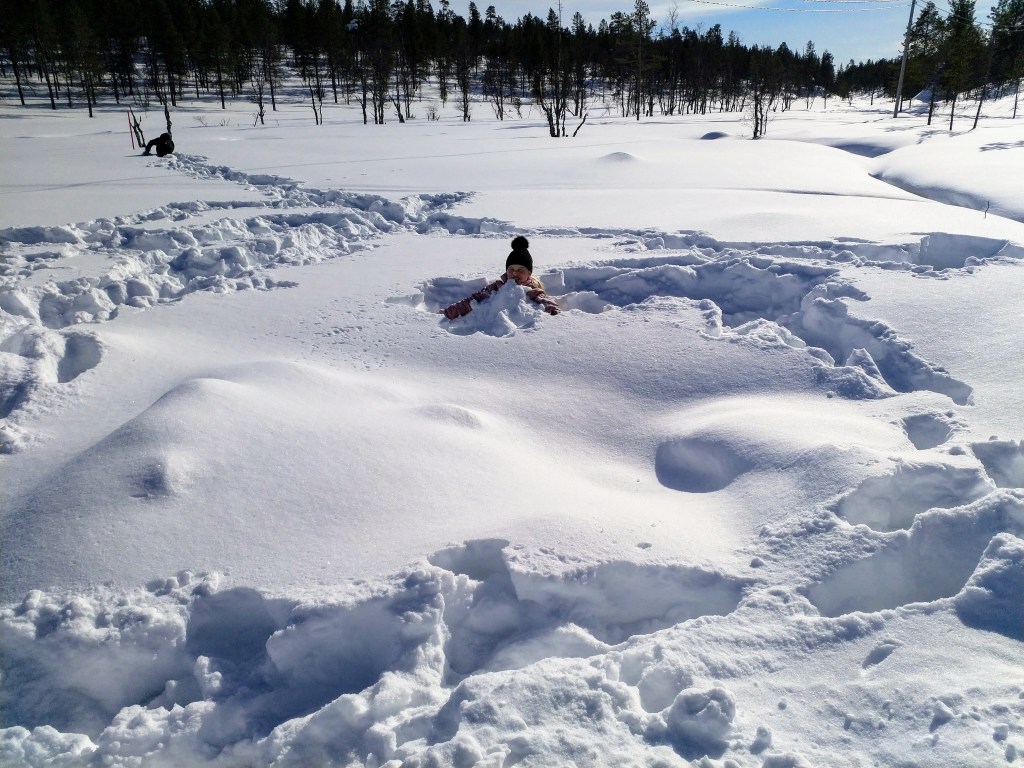
So how does all this affect us? Personally I cope well with everything except the worst couple months of darkness. The increased light doesn’t affect my sleep, I don’t even need curtains or blinds in the bedroom windows. I know many people find it hard to sleep in the spring with daylight late into the night. Surprisingly the number of mental health issues in the population peaks in the spring, when the amount of light increases. Maybe everybody has somehow bundled up in the darkness, almost hibernating and just surviving through the winter, and then the sudden light wakes you up and forces you to act. It is a change certainly, and will put a stress on the mind and body.
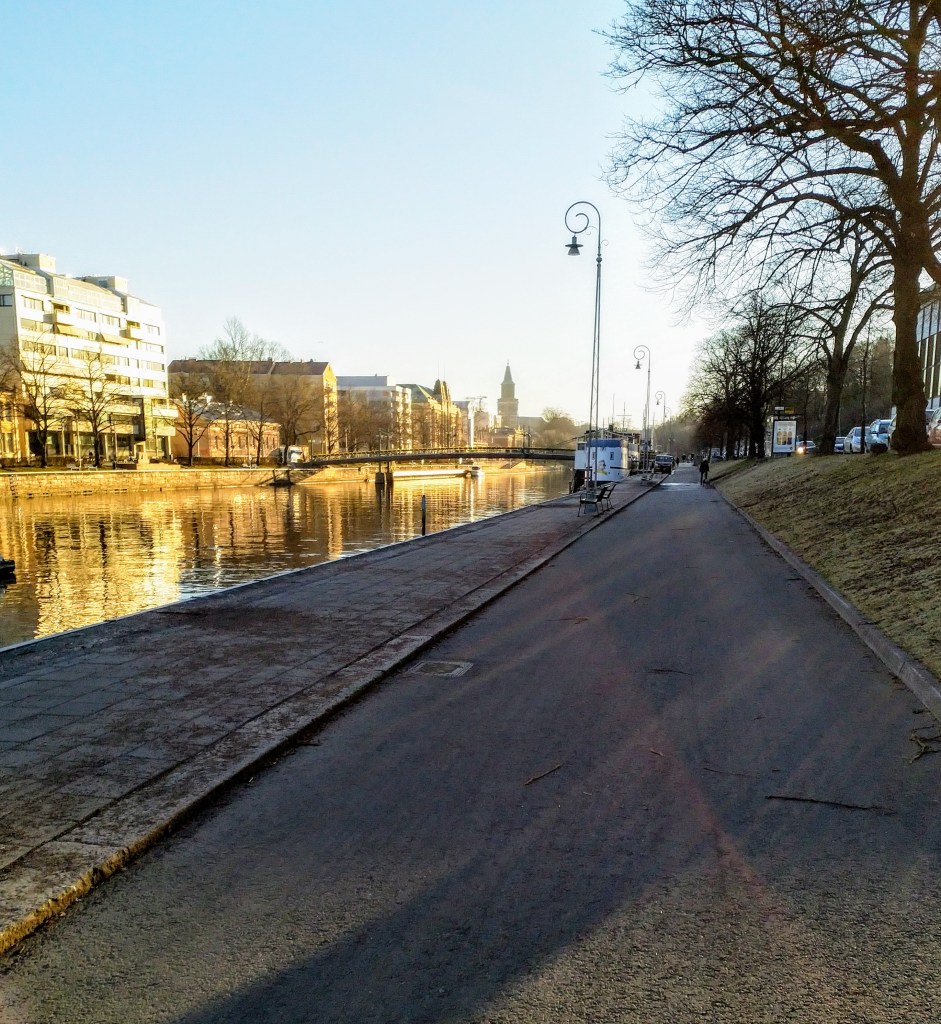
All in all, I think we are all quite adapted to the environment we live in. I have heard many expats from Northern Europe, who now live in a more steady or monotonous warm climate, say that the thing they miss most from home is the change of seasons. Of course the warm and sunny summer, beautiful and crisp autumn days, the snowy winter, and the spring when nature wakes up again. But usually a trip back home in November as a reality check will fix that feeling for a good while.
 The Full Time Midlife